|
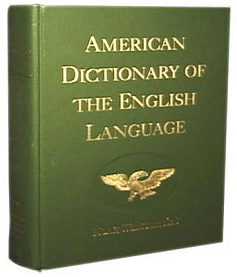
Search, browse, and study this dictionary to learn more about the early American, Christian language. 
1828.mshaffer.com › Word [worm]
WORM, n. [G. This word is probably named form a winding motion, and the root of swarm.] 1. In common usage, any small creeping animal, or reptile, either entirely without feet, or with very short ones, including a great variety of animals of different classes and orders, viz. Certain small serpents, as the blind-worm or slow-worm; the larvas of insects, viz. Grubs, caterpillars and maggots, as the wood-worm, canker-worm, silk-worm, (the larva of a moth (Phaloena,) which spins the filaments of which silk is made,) the grub that injures corn, grass, &c., the worms that breed in putrid flesh, the bots in the stomach of horses, and many others; certain wingless insects, as the glow-worm; the intestinal worms, or such as breed in the cavities and organs of living animals, as the tape-worm, the round-worm, the fluke, &c.; and numerous animals found in the earth, and in water, particularly in the sea, as the earth-worm or lumbricus, the hair-worm or gordius, the teredo, or worm that bores in to the bottom of ships, &c. Worms, in the plural, in common usage, is used for intestinal worms, or those which breed in the stomach and bowels, particularly the round and thread worms, (lumbrici and ascarides,) which are often found there in great numbers; as we say, a child has worms.2. In zoology, the term Vermes or worms has been applied to different divisions of invertebral animals, by different naturalists. Linnes class of vermes, includes the following orders, viz. Intestina, including the proper intestinal worms the earth-worm, the hair-worm, the teredo, and some other marine worms; Mollusca, including the slug, and numerous soft animals inhabiting the water, particularly the sea; Testacea, including all the proper shell-fish; Zoophyta or compound animals, including corals, polypes, and spunges; and Infusoria, or simple microscopic animlacules. His character of the class is, --spiracles obscure, jaws various, organs of sense usually tentacula, no brain, ears nor nostrils, limbs wanting, frequently hermaphrodite. This class includes all the invertebral animals, except the insects and crustacea. The term Vermes has been since greatly limited, particularly by the French naturalists. Lamarch confined it to the intestinal worms, and some others, whose organization is equally imperfect. The character of his class is, suboviparous, body soft, highly reproductive, undergo no metamorphosis; no eyes, nor articulated limbs, nor radiated disposition of internal organs.3. Remorse; that which incessantly gnaws the conscience; that which torments.Where their worm dieth not. Mark 9.4. A being debased and despised.I am a worm, and no man. Psalm 22.5. A spiral instrument or iron screw, used for drawing wads and cartridges from cannon or small arms.6. Something spiral, vermiculated, or resembling a worm; as the threads of a screw.7. In chemistry and distilleries, a spiral leaden pipe placed in a tub of water, through which the vapor passes in distillation, and in which it is cooled and condensed. It is called also a serpentine.8. A small worm-like ligament situated beneath a dogs tongue.WORM, v.i. To work slowly, gradually and secretly. When debates and fretting jealousy did worm and work within you more and more, your color faded.WORM, v.t. 1. To expel or undermine by slow and secret means.They find themselves wormed out of all power.2. To cut something, called a worm, from under the tongue of a dog.3. To draw the wad or cartridge from a gun; to clean by the worm.4. To wind a rope spirally round a cable, between the strands; or to wind a smaller rope with spun yarn.To worm ones self into, to enter gradually by arts and insinuations; as to worm ones self into favor.
|
Evolution (or devolution) of this word [worm]
| 1828 Webster | 1844 Webster | 1913 Webster |
|---|
WORM, n. [G. This word is probably named form a winding motion, and the root of swarm.] 1. In common usage, any small creeping animal, or reptile, either entirely without feet, or with very short ones, including a great variety of animals of different classes and orders, viz. Certain small serpents, as the blind-worm or slow-worm; the larvas of insects, viz. Grubs, caterpillars and maggots, as the wood-worm, canker-worm, silk-worm, (the larva of a moth (Phaloena,) which spins the filaments of which silk is made,) the grub that injures corn, grass, &c., the worms that breed in putrid flesh, the bots in the stomach of horses, and many others; certain wingless insects, as the glow-worm; the intestinal worms, or such as breed in the cavities and organs of living animals, as the tape-worm, the round-worm, the fluke, &c.; and numerous animals found in the earth, and in water, particularly in the sea, as the earth-worm or lumbricus, the hair-worm or gordius, the teredo, or worm that bores in to the bottom of ships, &c. Worms, in the plural, in common usage, is used for intestinal worms, or those which breed in the stomach and bowels, particularly the round and thread worms, (lumbrici and ascarides,) which are often found there in great numbers; as we say, a child has worms.2. In zoology, the term Vermes or worms has been applied to different divisions of invertebral animals, by different naturalists. Linnes class of vermes, includes the following orders, viz. Intestina, including the proper intestinal worms the earth-worm, the hair-worm, the teredo, and some other marine worms; Mollusca, including the slug, and numerous soft animals inhabiting the water, particularly the sea; Testacea, including all the proper shell-fish; Zoophyta or compound animals, including corals, polypes, and spunges; and Infusoria, or simple microscopic animlacules. His character of the class is, --spiracles obscure, jaws various, organs of sense usually tentacula, no brain, ears nor nostrils, limbs wanting, frequently hermaphrodite. This class includes all the invertebral animals, except the insects and crustacea. The term Vermes has been since greatly limited, particularly by the French naturalists. Lamarch confined it to the intestinal worms, and some others, whose organization is equally imperfect. The character of his class is, suboviparous, body soft, highly reproductive, undergo no metamorphosis; no eyes, nor articulated limbs, nor radiated disposition of internal organs.3. Remorse; that which incessantly gnaws the conscience; that which torments.Where their worm dieth not. Mark 9.4. A being debased and despised.I am a worm, and no man. Psalm 22.5. A spiral instrument or iron screw, used for drawing wads and cartridges from cannon or small arms.6. Something spiral, vermiculated, or resembling a worm; as the threads of a screw.7. In chemistry and distilleries, a spiral leaden pipe placed in a tub of water, through which the vapor passes in distillation, and in which it is cooled and condensed. It is called also a serpentine.8. A small worm-like ligament situated beneath a dogs tongue.WORM, v.i. To work slowly, gradually and secretly. When debates and fretting jealousy did worm and work within you more and more, your color faded.WORM, v.t. 1. To expel or undermine by slow and secret means.They find themselves wormed out of all power.2. To cut something, called a worm, from under the tongue of a dog.3. To draw the wad or cartridge from a gun; to clean by the worm.4. To wind a rope spirally round a cable, between the strands; or to wind a smaller rope with spun yarn.To worm ones self into, to enter gradually by arts and insinuations; as to worm ones self into favor. |
WORM, n. [Sax. wyrm; G. wurm; D. worm; Dan. orm; Sw. id. a serpent. This word is probably named from a winding motion, and the root of swarm.]- In common usage, any small creeping animal, or reptile, either entirely without feet, or with very short ones, including a great variety of animals of different classes and orders, viz. certain small serpents, as the blind-worm or slowworm; the larvas of insects, viz. grubs, caterpillars and maggots, as the wood-worm, canker-worm, silk-worm, (the larva of a moth [Phalæna,] which spins the filaments of which silk is made,) the grub that injures corn, grass, &c., worms that breed in putrid flesh, the bots in the stomach of horses, and many others; certain wingless insects, as the glow-worm; the intestinal worms, or such as breed in the cavities and organs of living animals, as the tape-worm, the round-worm, the fluke, &c.; and numerous animals found in the earth, and in water, particularly in the sea, as the earth-worm or lumbricus, the hair-worm or gordius, the teredo, or worm that bores into the bottom of ships, &c. Worms, in the plural, in common usage, is used for intestinal worms, or those which breed in the stomach and bowels, particularly the round and thread worms, (ascarides and oxyurides,) which are often found there in great numbers; as we say, a child has worms.
- In zoology, the term Vermes or worms has been applied to different divisions of invertebral animals, by different naturalists. Linnæus's class of Vermes, includes the following orders, viz. Intestina, including the proper intestinal worms, the earth-worm, the hair-worm, the teredo, and some other marine worms; Mollusc; including the slug, and numerous soft animals inhabiting the water, particularly the sea; Testacea, including all the proper shell-fish; Zoophyta, or compound animals, including corals, polypes, and spunges; and Infusoria, or simple microscopic animacules. His character of the class is, – spiracles obscure, jaws various, organs of sense usually tentacula, no brain, ears nor nostrils, limbs wanting, frequently hermaphrodite. This class includes all the invertebral animals, except the insects and erustacra. The term Vermes has been since greatly limited, particularly by the French naturalists. Lamarck confined it to the intestinal worms, and some others, whose organization is equally simple. The character of his class is, suboviparous, body soft, highly reproductive, undergo no metamorphosis; no eyes, nor articulated limbs, nor radiated disposition of internal organs. – Linnæus. Lye.
- Remorse; that which incessantly gnaws the conscience; that which torments.
Where their worm dieth not. – Mark ix.
- A being debased and despised.
I am a worm, and no man. – Ps. xxii.
- A spiral instrument or iron screw, used for drawing wads and cartridges from cannon or small arms.
- Something spiral, vermiculated, or resembling a worm; as, the threads of a screw. – Moxon.
- In chimistry and distilleries, a spiral leaden pipe placed in a tub of water, through which the vapor passes in distillation, and in which it is cooled and condensed. It is called also a serpentine.
- A small wormlike part situated beneath a dog's tongue. – Cyc.
WORM, v.i.To work slowly, gradually and secretly.
When debates and fretting jealousy / Did worm and work within you more and more / Your color faded. – Herbert.
WORM, v.t.- To expel or undermine by slow and secret means.
They find themselves wormed out of all power. – Swift.
- To cut something, called a worm, from under the tongue of a dog. – Cyc.
- To draw the wad or cartridge from a gun; to clean by the worm.
- To wind a rope spirally round a cable, between the strands; or to wind a smaller rope with spun yarn. – Mar. Dict.
To worm one's self into, to enter gradually by arts and insinuations; as, to worm one's self into favor.
|
Worm
- A creeping or a crawling animal of any kind or
size, as a serpent, caterpillar, snail, or the like.
- To work slowly, gradually, and secretly.
- To
effect, remove, drive, draw, or the like, by slow and secret means] --
often followed by out.
- Any small creeping animal or reptile, either
entirely without feet, or with very short ones, including a great variety
of animals; as, an earthworm; the blindworm.
|
| 1828 Webster | 1844 Webster | 1913 Webster |
|---|
Thank you for visiting!
- Our goal is to try and improve the quality of the digital form of this dictionary being historically true and accurate to the first American dictionary. Read more ...
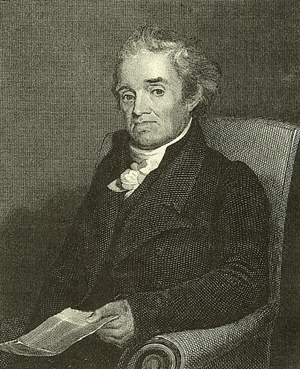
- Below you will find three sketches from a talented artist and friend depicting Noah Webster at work. Please tell us what you think.
Divine Study
 
Divine Study
|
Window of Reflection
 
Window of Reflection
|
Enlightening Grace
 
Enlightening Grace
|
164
|
953 |
126
|
1036 |
199
|
1076 |

Worm WORM, noun [G. This word is probably named form a winding motion, and the root of swarm.] 1. In common usage, any small creeping animal, or reptile, either entirely without feet, or with very short ones, including a great variety of animals of different classes and orders, viz. Certain small serpents, as the blind-worm or slow-worm; the larvas of insects, viz. Grubs, caterpillars and maggots, as the wood-worm, canker-worm, silk-worm, (the larva of a moth (Phaloena, ) which spins the filaments of which silk is made, ) the grub that injures corn, grass, etc., the worms that breed in putrid flesh, the bots in the stomach of horses, and many others; certain wingless insects, as the glow-worm; the intestinal worms, or such as breed in the cavities and organs of living animals, as the tape-worm, the round-worm, the fluke, etc.; and numerous animals found in the earth, and in water, particularly in the sea, as the earth-worm or lumbricus, the hair-worm or gordius, the teredo, or worm that bores in to the bottom of ships, etc. Worms, in the plural, in common usage, is used for intestinal worms, or those which breed in the stomach and bowels, particularly the round and thread worms, (lumbrici and ascarides, ) which are often found there in great numbers; as we say, a child has worms. 2. In zoology, the term Vermes or worms has been applied to different divisions of invertebral animals, by different naturalists. Linnes class of vermes, includes the following orders, viz. Intestina, including the proper intestinal worms the earth-worm, the hair-worm, the teredo, and some other marine worms; Mollusca, including the slug, and numerous soft animals inhabiting the water, particularly the sea; Testacea, including all the proper shell-fish; Zoophyta or compound animals, including corals, polypes, and spunges; and Infusoria, or simple microscopic animlacules. His character of the class is, --spiracles obscure, jaws various, organs of sense usually tentacula, no brain, ears nor nostrils, limbs wanting, frequently hermaphrodite. This class includes all the invertebral animals, except the insects and crustacea. The term Vermes has been since greatly limited, particularly by the French naturalists. Lamarch confined it to the intestinal worms, and some others, whose organization is equally imperfect. The character of his class is, suboviparous, body soft, highly reproductive, undergo no metamorphosis; no eyes, nor articulated limbs, nor radiated disposition of internal organs. 3. Remorse; that which incessantly gnaws the conscience; that which torments. Where their worm dieth not. Mark 9:44. 4. A being debased and despised. I am a worm and no man. Psalms 22:6. 5. A spiral instrument or iron screw, used for drawing wads and cartridges from cannon or small arms. 6. Something spiral, vermiculated, or resembling a worm; as the threads of a screw. 7. In chemistry and distilleries, a spiral leaden pipe placed in a tub of water, through which the vapor passes in distillation, and in which it is cooled and condensed. It is called also a serpentine. 8. A small worm-like ligament situated beneath a dogs tongue. WORM, verb intransitive To work slowly, gradually and secretly. When debates and fretting jealousy did worm and work within you more and more, your color faded. WORM, verb transitive 1. To expel or undermine by slow and secret means. They find themselves wormed out of all power. 2. To cut something, called a worm from under the tongue of a dog. 3. To draw the wad or cartridge from a gun; to clean by the worm 4. To wind a rope spirally round a cable, between the strands; or to wind a smaller rope with spun yarn. To worm ones self into, to enter gradually by arts and insinuations; as to worm ones self into favor. |

|
| Hard-cover Edition |
384 |
 |
565 |
|
| Compact Edition |
369 |
 |
259 |
|
| CD-ROM |
326 |
 |
202 |
|
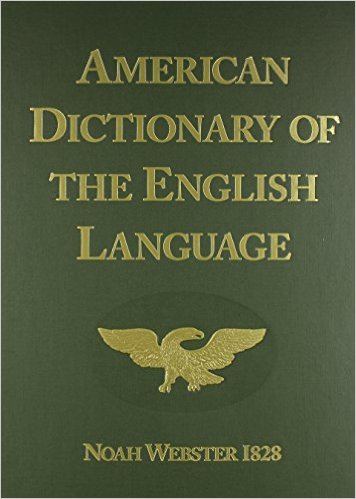
* As a note, I have purchased each of these products. In fact, as we have been developing the Project:: 1828 Reprint, I have purchased several of the bulky hard-cover dictionaries. My opinion is that the 2000-page hard-cover edition is the only good viable solution at this time. The compact edition was a bit disappointing and the CD-ROM as well. |
| [ + ] |
| Add Search To Your Site |
|
|
|