|
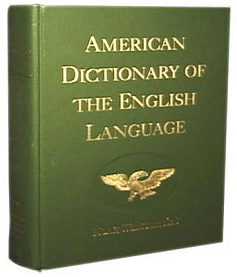
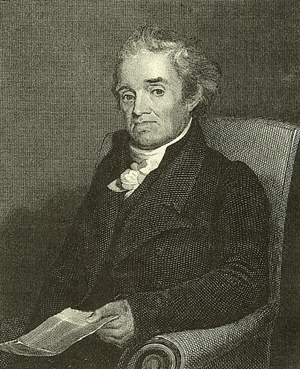
Search, browse, and study this dictionary to learn more about the early American, Christian language. 
1828.mshaffer.com › Word [love]
LOVE, v.t. luv. [L. libeo, lubeo. See Lief. The sense is probably to be prompt, free, willing, from leaning, advancing, or drawing forward.] 1. In a general sense to be pleased with; to regard with affection, on account of some qualities which excite pleasing sensations or desire of gratification. We love a friend, on account of some qualities which give us pleasure in his society. We love a man who has done us a favor; in which case, gratitude enters into the composition of our affection. We love our parents and our children, on account of their connection with us, and on account of many qualities which please us. We love to retire to a cool shade in summer. We love a warm room in winter. we love to hear an eloquent advocate. The christian loves his Bible. In short, we love whatever gives us pleasure and delight, whether animal or intellectual; and if our hearts are right, we love God above all things, as the sum of all excellence and all the attributes which can communicate happiness to intelligent beings. In other words, the christian loves God with the love of complacency in his attributes, the love of benevolence towards the interest of his kingdom, and the love of gratitude for favors received. Thou shalt love the Lord thy God with all thy heart, and with all thy soul, and with all thy mind - Thou shalt love thy neighbor as thyself. Matt. 22.2. To have benevolence or good will for. John 3.LOVE, n. 1. An affection of the mind excited by beauty and worth of any kind, or by the qualities of an object which communicate pleasure, sensual or intellectual. It is opposed to hatred. Love between the sexes, is a compound affection, consisting of esteem, benevolence, and animal desire. Love is excited by pleasing qualities of any kind, as by kindness, benevolence, charity, and by the qualities which render social intercourse agreeable. In the latter case, love is ardent friendship, or a strong attachment springing from good will and esteem, and the pleasure derived from the company, civilities and kindness of others.Between certain natural relatives, love seems to be in some cases instinctive. Such is the love of a mother for her child, which manifests itself toward an infant, before any particular qualities in the child are unfolded. This affection is apparently as strong in irrational animals as in human beings.We speak of the love of amusements, the love of books, the love of money, and the love of whatever contributes to our pleasure or supposed profit.The love of God is the first duty of man, and this springs from just views of his attributes or excellencies of character, which afford the highest delight to the sanctified heart. Esteem and reverence constitute ingredients in this affection, and a fear of offending him is its inseparable effect.2. Courtship; chiefly in the phrase, to make love, that is, to court; to woo; to solicit union in marriage.3. Patriotism; the attachment one has to his native land; as the love of country.4. Benevolence; good will.God is love. 1John 4.5. The object beloved.The lover and the love of human kind.6. A word of endearment.Trust me, love.7. Picturesque representation of love.Such was his form as painters, when they show their utmost art, on naked loves bestow.8. Lewdness.He is not lolling on a lewd love-bed.9. A thin silk stuff. Obs.Love in idleness, a kind of violet.Free of love, a plant of the genus Cercis.
|
Evolution (or devolution) of this word [love]
| 1828 Webster | 1844 Webster | 1913 Webster |
|---|
LOVE, v.t. luv. [L. libeo, lubeo. See Lief. The sense is probably to be prompt, free, willing, from leaning, advancing, or drawing forward.] 1. In a general sense to be pleased with; to regard with affection, on account of some qualities which excite pleasing sensations or desire of gratification. We love a friend, on account of some qualities which give us pleasure in his society. We love a man who has done us a favor; in which case, gratitude enters into the composition of our affection. We love our parents and our children, on account of their connection with us, and on account of many qualities which please us. We love to retire to a cool shade in summer. We love a warm room in winter. we love to hear an eloquent advocate. The christian loves his Bible. In short, we love whatever gives us pleasure and delight, whether animal or intellectual; and if our hearts are right, we love God above all things, as the sum of all excellence and all the attributes which can communicate happiness to intelligent beings. In other words, the christian loves God with the love of complacency in his attributes, the love of benevolence towards the interest of his kingdom, and the love of gratitude for favors received. Thou shalt love the Lord thy God with all thy heart, and with all thy soul, and with all thy mind - Thou shalt love thy neighbor as thyself. Matt. 22.2. To have benevolence or good will for. John 3.LOVE, n. 1. An affection of the mind excited by beauty and worth of any kind, or by the qualities of an object which communicate pleasure, sensual or intellectual. It is opposed to hatred. Love between the sexes, is a compound affection, consisting of esteem, benevolence, and animal desire. Love is excited by pleasing qualities of any kind, as by kindness, benevolence, charity, and by the qualities which render social intercourse agreeable. In the latter case, love is ardent friendship, or a strong attachment springing from good will and esteem, and the pleasure derived from the company, civilities and kindness of others.Between certain natural relatives, love seems to be in some cases instinctive. Such is the love of a mother for her child, which manifests itself toward an infant, before any particular qualities in the child are unfolded. This affection is apparently as strong in irrational animals as in human beings.We speak of the love of amusements, the love of books, the love of money, and the love of whatever contributes to our pleasure or supposed profit.The love of God is the first duty of man, and this springs from just views of his attributes or excellencies of character, which afford the highest delight to the sanctified heart. Esteem and reverence constitute ingredients in this affection, and a fear of offending him is its inseparable effect.2. Courtship; chiefly in the phrase, to make love, that is, to court; to woo; to solicit union in marriage.3. Patriotism; the attachment one has to his native land; as the love of country.4. Benevolence; good will.God is love. 1John 4.5. The object beloved.The lover and the love of human kind.6. A word of endearment.Trust me, love.7. Picturesque representation of love.Such was his form as painters, when they show their utmost art, on naked loves bestow.8. Lewdness.He is not lolling on a lewd love-bed.9. A thin silk stuff. Obs.Love in idleness, a kind of violet.Free of love, a plant of the genus Cercis. |
LOVE, n.- An affection of the mind excited by beauty and worth of any kind, or by the qualities of an object which communicate pleasure, sensual or intellectual. It is opposed to hatred. Love between the sexes, is a compound affection, consisting of esteem, benevolence, and animal desire. Love is excited by pleasing qualities of any kind, as by kindness, benevolence, charity, and by the qualities which render social intercourse agreeable. In the latter case, love is ardent friendship, or a strong attachment springing from good will and esteem, and the pleasure derived from the company, civilities and kindnesses of others.
Between certain natural relatives, love seems to be in some cases instinctive. Such is the love of a mother for her child, which manifests itself toward an infant, before any particular qualities in the child are unfolded. This affection is apparently as strong in irrational animals as in human beings.
We speak of the love of amusement, the love of books, the love of money, and the love of whatever contributes to our pleasure or supposed profit.
The love of God is the first duty of man, and this springs from just views of his attributes or excellencies of character, which afford the highest delight to the sanctified heart. Esteem and reverence constitute ingredients in this affection, and a fear of offending him is its inseparable effect.
- Courtship; chiefly in the phrase, to make love, that is, to court; to woo; to solicit union in marriage.
- Patriotism; the attachment one has to his native land; as, the love of country.
- Benevolence; good will.
God is love. 1 John iv.
- The object beloved.
The lover and the loved of human kind. – Pope.
- A word of endearment.
Trust me, love. – Dryden.
- Picturesque representation of love.
Such was his form as painters, when they show / Their utmost art, on naked loves bestow. – Dryden.
- Lewdness.
He is not lolling on a lewd love-bed. – Shak.
- A thin silk stuff. [Obs.] – Boyle.
Love in idleness, a kind of violet. – Shak.
Free of love, a plant of the genus Cercis. – Fam. of Plants.
LOVE, v.t. [luv; Sax. lufian, luvian; D. lieven; G. lieben; Russ. lioblyu; L. libeo, lubeo; Sans. loab, love, desire. See Lief. The sense is probably to be prompt, free, willing, from leaning, advancing, or drawing forward.]- In a general sense, to be pleased with; to regard with affection, on account of some qualities which excite pleasing sensations or desire of gratification. We love a friend on account of some qualities which give us pleasure in his society. We love a man who has done us a favor; in which case gratitude enters into the composition of our affection. We love our parents and our children, on account of their connection with us, and on, account of many qualities which please us. We love to retire to a cool shade in summer. We love a warm room in winter. We love to hear an eloquent advocate. The Christian loves his Bible. In short, we love whatever gives us pleasure and delight, whether animal or intellectual; and if our hearts are right, we love God above all things, as the sum of all excellence and all the attributes which can communicate happiness to intelligent beings. In other words, the Christian loves God with the love of complacency in his attributes, the love of benevolence toward the interests of his kingdom, and the love of gratitude for favors received.
Thou shalt love the Lord thy God with all thy heart, and with all thy soul, and with all thy mind. Matth. xxii.
Thou shalt love thy neighbor as thyself. Matth. xxii.
- To have benevolence or good will for. John iii.
|
Love
- A feeling of strong attachment induced by that which delights or
commands admiration; preëminent kindness or devotion to another;
affection; tenderness; as, the love of brothers and
sisters.
- To have a
feeling of love for; to regard with affection or good will; as, to
love one's children and friends; to love one's country;
to love one's God.
- To have the feeling of
love; to be in love.
- Especially, devoted attachment to, or
tender or passionate affection for, one of the opposite
sex.
- To regard with passionate and devoted
affection, as that of one sex for the other.
- Courtship; -- chiefly in the phrase to
make love, i. e., to court, to woo, to solicit union in
marriage.
- To take delight or pleasure in; to have a
strong liking or desire for, or interest in; to be pleased with; to
like; as, to love books; to love adventures.
- Affection; kind feeling; friendship;
strong liking or desire; fondness; good will; -- opposed to
hate; often with of and an object.
- Due gratitude and reverence to
God.
- The object of affection; -- often employed
in endearing address.
- Cupid, the god of love; sometimes,
Venus.
- A thin silk stuff.
- A climbing species of
Clematis (C. Vitalba).
- Nothing; no points scored on one side; --
used in counting score at tennis, etc.
|
| 1828 Webster | 1844 Webster | 1913 Webster |
|---|
Thank you for visiting!
- Our goal is to try and improve the quality of the digital form of this dictionary being historically true and accurate to the first American dictionary. Read more ...
- Below you will find three sketches from a talented artist and friend depicting Noah Webster at work. Please tell us what you think.
Divine Study
 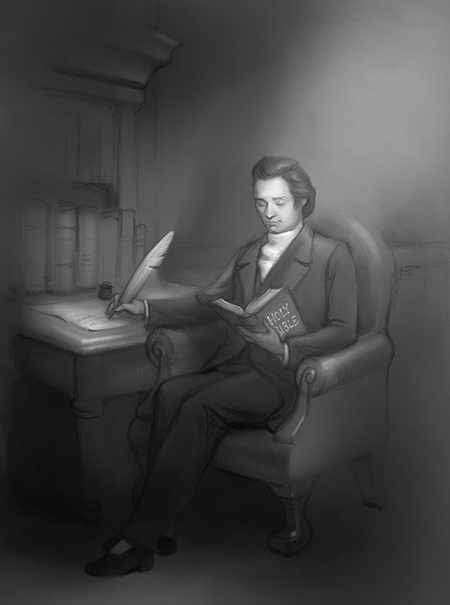
Divine Study
|
Window of Reflection
 
Window of Reflection
|
Enlightening Grace
 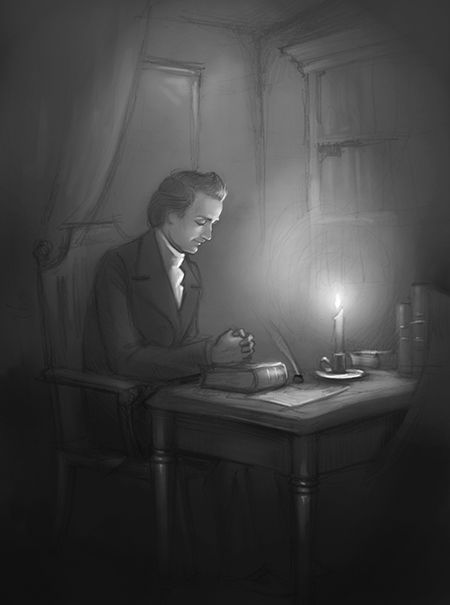
Enlightening Grace
|
164
|
953 |
126
|
1036 |
199
|
1076 |

Love LOVE, verb transitive luv. [Latin libeo, lubeo. See Lief. The sense is probably to be prompt, free, willing, from leaning, advancing, or drawing forward.] 1. In a general sense to be pleased with; to regard with affection, on account of some qualities which excite pleasing sensations or desire of gratification. We love a friend, on account of some qualities which give us pleasure in his society. We love a man who has done us a favor; in which case, gratitude enters into the composition of our affection. We love our parents and our children, on account of their connection with us, and on account of many qualities which please us. We love to retire to a cool shade in summer. We love a warm room in winter. we love to hear an eloquent advocate. The christian loves his Bible. In short, we love whatever gives us pleasure and delight, whether animal or intellectual; and if our hearts are right, we love God above all things, as the sum of all excellence and all the attributes which can communicate happiness to intelligent beings. In other words, the christian loves God with the love of complacency in his attributes, the love of benevolence towards the interest of his kingdom, and the love of gratitude for favors received. Thou shalt love the Lord thy God with all thy heart, and with all thy soul, and with all thy mind - Thou shalt love thy neighbor as thyself. Matthew 22:37. 2. To have benevolence or good will for. John 3:16. LOVE, noun 1. An affection of the mind excited by beauty and worth of any kind, or by the qualities of an object which communicate pleasure, sensual or intellectual. It is opposed to hatred. love between the sexes, is a compound affection, consisting of esteem, benevolence, and animal desire. love is excited by pleasing qualities of any kind, as by kindness, benevolence, charity, and by the qualities which render social intercourse agreeable. In the latter case, love is ardent friendship, or a strong attachment springing from good will and esteem, and the pleasure derived from the company, civilities and kindness of others. Between certain natural relatives, love seems to be in some cases instinctive. Such is the love of a mother for her child, which manifests itself toward an infant, before any particular qualities in the child are unfolded. This affection is apparently as strong in irrational animals as in human beings. We speak of the love of amusements, the love of books, the love of money, and the love of whatever contributes to our pleasure or supposed profit. The love of God is the first duty of man, and this springs from just views of his attributes or excellencies of character, which afford the highest delight to the sanctified heart. Esteem and reverence constitute ingredients in this affection, and a fear of offending him is its inseparable effect. 2. Courtship; chiefly in the phrase, to make love that is, to court; to woo; to solicit union in marriage. 3. Patriotism; the attachment one has to his native land; as the love of country. 4. Benevolence; good will. God is love 1 John 4:7. 5. The object beloved. The lover and the love of human kind. 6. A word of endearment. Trust me, love 7. Picturesque representation of love Such was his form as painters, when they show their utmost art, on naked loves bestow. 8. Lewdness. He is not lolling on a lewd love-bed. 9. A thin silk stuff. obsolete LOVE in idleness, a kind of violet. Free of love a plant of the genus Cercis. |

|
| Hard-cover Edition |
384 |
 |
565 |
|
| Compact Edition |
369 |
 |
259 |
|
| CD-ROM |
326 |
 |
202 |
|
* As a note, I have purchased each of these products. In fact, as we have been developing the Project:: 1828 Reprint, I have purchased several of the bulky hard-cover dictionaries. My opinion is that the 2000-page hard-cover edition is the only good viable solution at this time. The compact edition was a bit disappointing and the CD-ROM as well. |
| [ + ] |
| Add Search To Your Site |
|
|
|