|
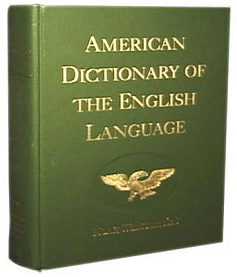
Search, browse, and study this dictionary to learn more about the early American, Christian language. 
1828.mshaffer.com › Word [load]
LOAD, n. [See lade.] 1. A burden; that which is laid on or put in any thing for conveyance. Thus we lay a load on a beat or on a man's shoulders, or on a cart or wagon; and we say, a light load, heavy load. A load then is indefinite in quantity or weight. But by usage, in some cases, the word has a more definite signification, and expresses a certain quantity or weight, or as much as is usually carried, or as can be well sustained. Load is never used for the cargo of a ship; this is called loading, lading, freight, or cargo.2. Any heavy burden; a large quantity borne or sustained. a tree may be said to have a load of fruit upon it.3. That which is borne with pain or difficulty; a grievous weight; encumbrance; in a literal sense.Jove lightened of its load th' enormous mass -In a figurative sense, we say, a load of care or grief; a load of guilt or crimes.4. Weight or violence of blows.5. A quantity of food or drink that oppresses, or as much as can be borne.6. Among miners, the quantity of nine dishes of ore, each dish being about half a hundred weight.LOAD, v.t. pret. and pp. loaded. [loaden, formerly used, is obsolete and laden belongs to lade. Load, from the noun, is a regular verb.] 1. To lay on a burden; to put on or in something to be carried, or as much as can be carried; as, to load a camel or a horse; to load a cart or wagon. To load a gun, is to charge, or to put in a sufficient quantity of powder, or powder and ball or shot.2. To encumber; to lay on or put in that which is borne with pain or difficulty; in a literal sense, as to load the stomach with meat; or in a figurative sense, as to load the mind or memory.3. To make heavy by something added or appended.Thy dreadful vow, loaden with death -So in a literal sense, to load a whip.4. To bestow or confer on in great abundance; as, to load one with honors; to load with reproaches.
|
Evolution (or devolution) of this word [load]
| 1828 Webster | 1844 Webster | 1913 Webster |
|---|
LOAD, n. [See lade.] 1. A burden; that which is laid on or put in any thing for conveyance. Thus we lay a load on a beat or on a man's shoulders, or on a cart or wagon; and we say, a light load, heavy load. A load then is indefinite in quantity or weight. But by usage, in some cases, the word has a more definite signification, and expresses a certain quantity or weight, or as much as is usually carried, or as can be well sustained. Load is never used for the cargo of a ship; this is called loading, lading, freight, or cargo.2. Any heavy burden; a large quantity borne or sustained. a tree may be said to have a load of fruit upon it.3. That which is borne with pain or difficulty; a grievous weight; encumbrance; in a literal sense.Jove lightened of its load th' enormous mass -In a figurative sense, we say, a load of care or grief; a load of guilt or crimes.4. Weight or violence of blows.5. A quantity of food or drink that oppresses, or as much as can be borne.6. Among miners, the quantity of nine dishes of ore, each dish being about half a hundred weight.LOAD, v.t. pret. and pp. loaded. [loaden, formerly used, is obsolete and laden belongs to lade. Load, from the noun, is a regular verb.] 1. To lay on a burden; to put on or in something to be carried, or as much as can be carried; as, to load a camel or a horse; to load a cart or wagon. To load a gun, is to charge, or to put in a sufficient quantity of powder, or powder and ball or shot.2. To encumber; to lay on or put in that which is borne with pain or difficulty; in a literal sense, as to load the stomach with meat; or in a figurative sense, as to load the mind or memory.3. To make heavy by something added or appended.Thy dreadful vow, loaden with death -So in a literal sense, to load a whip.4. To bestow or confer on in great abundance; as, to load one with honors; to load with reproaches. |
LOAD, n. [Sax. hlad or lade; W. llwyth. See Lade.]- A burden; that which is laid on or put in any thing for conveyance. Thus we lay a load on a beast or on a man's shoulders' or on a cart or wagon; and we say, a light load, a heavy load. A load then is indefinite in quantity or weight. But by usage, in some cases, the word has a more definite signification, and expresses a certain quantity or is eight, or as much as is usually carried, or as can be well sustained. Load is never used for the cargo of a ship; this is called loading, lading, freight, or cargo.
- Any heavy burden; a large quantity borne or sustained. A tree may be said to have a load of fruit upon it.
- That which is borne with pain or difficulty; a grievous weight; encumbrance, in a literal sense.
Jove lightened of its load / Th' enormous mass. – Pope.
In a figurative sense, we say, a load of care or grief; a load of guilt or crimes.
- Weight or violence of blows. – Milton.
- A quantity of food or drink that oppresses, or as much as can be borne. – Dryden.
- Among miners, the quantity of nine dishes of ore, each dish being about half a hundred weight. – Encyc. Cyc.
LOAD, v.t. [pret. and pp. loaded; loaden formerly used, is obsolete, and laden belongs to lade. Load, from the noun, is a regular verb.]- To lay on a burden; to put on or in something to be carried, or as much as can be carried; as, to load a camel or a horse; to load a cart or wagon. To load a gun, is to charge, or put in a sufficient quantity of powder, or powder and ball or shot.
- To encumber; to lay on or put in that which is borne with pain or difficulty; in n literal sense, as to load the stomach with meat; or in a figurative sense, as to load the mind or memory.
- To make heavy by something added or appended.
Thy dreadful vow; loaden with death. – Addison.
So in a literal sense, to load a whip.
- To bestow or confer on in great abundance; as, to load one with honors; to load with reproaches.
|
Load
- A burden;
that which is laid on or put in anything for conveyance; that which
is borne or sustained; a weight; as, a heavy load.
- To lay a load or burden on
or in, as on a horse or in a cart] to charge with a load, as a gun;
to furnish with a lading or cargo, as a ship; hence, to add weight
to, so as to oppress or embarrass; to heap upon.
- The quantity which can be carried or drawn
in some specified way; the contents of a cart, barrow, or vessel;
that which will constitute a cargo; lading.
- To adulterate or drug; as, to load
wine.
- That which burdens, oppresses, or grieves
the mind or spirits; as, a load of care.
- To magnetize.
- A particular measure for certain articles,
being as much as may be carried at one time by the conveyance
commonly used for the article measured; as, a load of wood; a
load of hay; specifically, five quarters.
- The charge of a firearm; as, a load
of powder.
- Weight or violence of blows.
- The work done by a steam
engine or other prime mover when working.
|
| 1828 Webster | 1844 Webster | 1913 Webster |
|---|
Thank you for visiting!
- Our goal is to try and improve the quality of the digital form of this dictionary being historically true and accurate to the first American dictionary. Read more ...
- Below you will find three sketches from a talented artist and friend depicting Noah Webster at work. Please tell us what you think.
Divine Study
 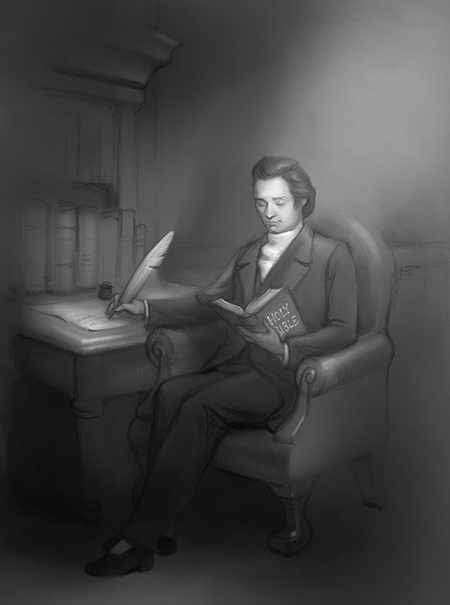
Divine Study
|
Window of Reflection
 
Window of Reflection
|
Enlightening Grace
 
Enlightening Grace
|
164
|
953 |
126
|
1036 |
199
|
1076 |

load LOAD, n. [See lade.] 1. A burden; that which is laid on or put in any thing for conveyance. Thus we lay a load on a beat or on a man's shoulders, or on a cart or wagon; and we say, a light load, heavy load. A load then is indefinite in quantity or weight. But by usage, in some cases, the word has a more definite signification, and expresses a certain quantity or weight, or as much as is usually carried, or as can be well sustained. Load is never used for the cargo of a ship; this is called loading, lading, freight, or cargo.2. Any heavy burden; a large quantity borne or sustained. a tree may be said to have a load of fruit upon it.3. That which is borne with pain or difficulty; a grievous weight; encumbrance; in a literal sense.Jove lightened of its load th' enormous mass -In a figurative sense, we say, a load of care or grief; a load of guilt or crimes.4. Weight or violence of blows.5. A quantity of food or drink that oppresses, or as much as can be borne.6. Among miners, the quantity of nine dishes of ore, each dish being about half a hundred weight.LOAD, v.t. pret. and pp. loaded. [loaden, formerly used, is obsolete and laden belongs to lade. Load, from the noun, is a regular verb.] 1. To lay on a burden; to put on or in something to be carried, or as much as can be carried; as, to load a camel or a horse; to load a cart or wagon. To load a gun, is to charge, or to put in a sufficient quantity of powder, or powder and ball or shot.2. To encumber; to lay on or put in that which is borne with pain or difficulty; in a literal sense, as to load the stomach with meat; or in a figurative sense, as to load the mind or memory.3. To make heavy by something added or appended.Thy dreadful vow, loaden with death -So in a literal sense, to load a whip.4. To bestow or confer on in great abundance; as, to load one with honors; to load with reproaches.
|

|
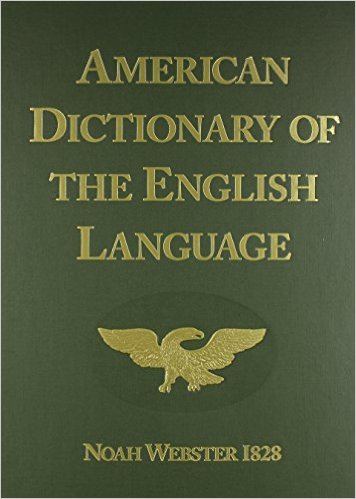
| Hard-cover Edition |
383 |
 |
564 |
|
| Compact Edition |
369 |
 |
257 |
|
| CD-ROM |
325 |
 |
202 |
|
* As a note, I have purchased each of these products. In fact, as we have been developing the Project:: 1828 Reprint, I have purchased several of the bulky hard-cover dictionaries. My opinion is that the 2000-page hard-cover edition is the only good viable solution at this time. The compact edition was a bit disappointing and the CD-ROM as well. |
| [ + ] |
| Add Search To Your Site |
|
|
|