|
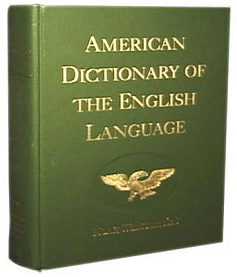
Search, browse, and study this dictionary to learn more about the early American, Christian language. 
1828.mshaffer.com › SEARCHING -word- for [white]
Your search query [ white ] returned 61 results.
| ID |
Word |
Definition |
22251
|
flake-white |
[.] FLAKE-WHITE, n. Oxyd of bismuth. |
35122
|
milkwhite |
[.] MILK'WHITE, a. White as milk. |
50820
|
snow-white |
[.] SNOW-WHITE, a. [snow and white.] White as snow; very white. |
51033
|
somewhiter |
[.] SOMEWHITER, adv. To some indeterminate place. |
51269
|
spanish-white |
[.] SPANISH-WHITE, n. A white earth from Spain, used in paints. |
62034
|
white |
[.] WHITE, a. [G.] [.] 1. Being in the color of pure snow; snowy; not dark; as white paper; a white skin. [.] 2. Pale; destitute of color in the cheeks, or of the tinge of blood color; as white with fear. [.] 3. Having the color of purity; pure; clean; free from spot; ... |
62035
|
white-bait |
[.] WHITE-BAIT, n. [white and bait.] A very small delicate fish, of the genus Clupea. |
62036
|
white-beam |
[.] WHITE-BEAM, n. The white-leaf tree, a species of Crataegus. |
62037
|
white-bear |
[.] WHITE-BEAR, n. [white and bear.] The bear that inhabits the polar regions. |
62038
|
white-blaze |
[.] WHITE-FACE, WHITE-BLAZE, n. A white mark in the forehead of a horse, descending almost to the nose. |
62039
|
white-brant |
[.] WHITE-BRANT, n. [white and brant.] A species of the duck kind, the Anas hyperborea. |
62040
|
white-bug |
[.] WHITE-BUG , n. [white and bug.] An insect of the bug kind, which injures vines and some other species of fruit. |
62041
|
white-campion |
[.] WHITE-CAMPION, n. [white and campion.] A pernicious perennial weed, growing in corn land, pastures and hedges. |
62042
|
white-caterpillar |
[.] WHITE-CATERPILLAR, n. An insect of a small size, called sometimes the borer, that injures the gooseberry bush. |
62043
|
white-centaury |
[.] WHITE-CENTAURY, n. AN annual weed in woods and other places. It is said to form the basis of the famous Portland powder for the gout. |
62044
|
white-clover |
[.] WHITE-CLOVER, n. A small species of perennial clover, bearing white flowers. It furnishes excellent food for cattle and horses, as well as for the honey bee. |
62045
|
white-crop |
[.] WHITE-CROP, n. White crops, in agriculture, are such as lose their green color or become white in ripening, as wheat, rye, barley and oats. |
62046
|
white-darnel |
[.] WHITE-DARNEL, n. A prolific and troublesome weed, growing among corm. |
62047
|
white-ear |
[.] WHITE-EAR, WHITE-TAIL, n. A bird, the fallow finch. |
62048
|
white-face |
[.] WHITE-FACE, WHITE-BLAZE, n. A white mark in the forehead of a horse, descending almost to the nose. |
62049
|
white-film |
[.] WHITE-FILM, n. A white film growing over the eyes of sheep and causing blindness. |
62050
|
white-foot |
[.] WHITE-FOOT, n. A white mark on the foot of a horse, between the fetlock and the coffin. |
62051
|
white-honeysuckle |
[.] WHITE-HONEYSUCKLE, n. A name sometimes given to the white clover. |
62052
|
white-horse-fish |
[.] WHITE-HORSE-FISH, n. In ichthyology, the Raia aspera nostras of Willoughby, and the Raia fullonica of Linne. It has a rough spiny back, and on the tail are three rows of strong spines. It grows to the size of the skate. |
62053
|
white-land |
[.] WHITE-LAND, n. A name which the English give to a tough clayey soil, of a whitish hue when dry, but blackish after rain. |
62054
|
white-lead |
[.] WHITE-LEAD, n. A carbonate of lead, much used in painting. It is prepared by exposing sheets of lead to the fumes of an acid, usually vinegar, and suspending them in the air until the surface becomes incrusted with a white coat, which is the substance in question. |
62055
|
white-limed |
[.] WHITE-LIMED, a. Whitewashed, or plastered with lime. |
62056
|
white-line |
[.] WHITE-LINE, n. Among printers, a void space, broader than usual, left between lines. |
62057
|
white-livered |
[.] WHITE-LIVERED, a. [white and liver.] [.] 1. Having a pale look; feeble; cowardly. [.] 2. Envious; malicious. |
62058
|
white-manganese |
[.] WHITE-MANGANESE, n. An ore of manganese; carbonated oxydized manganese. |
62059
|
white-meat |
[.] WHITE-MEAT, n. [white and meat.] Meats made of milk, butter, cheese, eggs and the like. |
62060
|
white-poplar |
[.] WHITE-POPLAR, n. A tree of the poplar kind, sometimes called the abele tree. |
62061
|
white-poppy |
[.] WHITE-POPPY, n. A species of poppy, sometimes cultivated fro the opium which is obtained from its juice by evaporation. |
62062
|
white-pot |
[.] WHITE-POT, n. [white and pot.] A kind of food made of milk, cream, eggs, sugar, &c. baked in a pot. |
62063
|
white-precipitate |
[.] WHITE-PRECIPITATE, n. Carbonate of mercury. |
62064
|
white-pyrite |
[.] WHITE-PYRITE, WHITE-PYRITES, n. [white and pyrite.] An ore of a tin-white color, passing into a brass-yellow and steel-gray, occurring in octahedral crystals, sometimes stalactitical and botryoidal. It contains 46 parts of iron, and 54 of sulphur. |
62065
|
white-pyrites |
[.] WHITE-PYRITE, WHITE-PYRITES, n. [white and pyrite.] An ore of a tin-white color, passing into a brass-yellow and steel-gray, occurring in octahedral crystals, sometimes stalactitical and botryoidal. It contains 46 parts of iron, and 54 of sulphur. |
62066
|
white-rent |
[.] WHITE-RENT, n. [white and rent.] In Devon and Cornwall, a rent or duty of eight pence, payable yearly by every tinner to the duke of Cornwall, as lord of the soil. |
62067
|
white-salt |
[.] WHITE-SALT, n. Salt dried and calcined; decrepitated salt. |
62068
|
white-swelling |
[.] WHITE-SWELLING, n. [white and swelling.] A swelling or chronic enlargement of the joints, circumscribed, without any alteration in the color of the skin, sometimes hard, sometimes yielding to pressure, sometimes indolent, but usually painful. |
62069
|
white-tail |
[.] WHITE-TAIL, n. A bird, the wheat-ear, a species of Motacilla. |
62070
|
white-thorn |
[.] WHITE-THORN, n. A species of thorn, called also haw-thorn, of the genus Crataegus. |
62071
|
white-throat |
[.] WHITE-THROAT, n. A small bird that frequents gardens and hedges, the Motacila sylvia. |
62072
|
white-vitriol |
[.] WHITE-VITRIOL, n. In mineralogy, sulphate of zink, a natural salt. |
62073
|
white-washer |
[.] WHITE-WASHER, n. One who whitewashes the walls or plastering of apartments. |
62074
|
white-water |
[.] WHITE-WATER, n. A disease of sheep, of the dangerous stomachic kind. |
62075
|
white-wax |
[.] WHITE-WAX, n. Bleached wax. |
62076
|
white-wine |
[.] WHITE-WINE, n. Any wine of a clear transparent color, bordering on white, as Madeira, Sherry, Lisbon, &c.; opposed to wine of a deep red color, as Port and Burgundy. |
62077
|
whited |
[.] WHITED, pp. Made white; whitened. |
62078
|
whitely |
[.] WHITELY, adv. Coming near to white. [Not used.] |
62079
|
whiten |
[.] WHITEN, v.t. hwitn. To make white; to bleach; to blanch; as, to whiten cloth. [.] WHITEN, v.i. To grow white; to turn or become white. The hair whitens with age; the sea whitens with foam; the trees in spring whiten with blossoms. |
62080
|
whitened |
[.] WHITENED, pp. Made white; bleached. |
62081
|
whitener |
[.] WHITENER, n. One who bleaches or makes white. |
62082
|
whiteness |
[.] WHITENESS, n. [.] 1. The state of being white; white color, or freedom from any darkness or obscurity on the surface. [.] 2. Paleness; want of a sanguineous tinge in the face. [.] 3. Purity; cleanness; freedom from stain or blemish. |
62083
|
whites |
[.] WHITES, n. The fluor albus, a disease of females. |
62084
|
whitester |
[.] WHITESTER, n. A bleacher. [Local.] |
62085
|
whitestone |
[.] WHITESTONE, n. IN geology, the weiss stein of Werner, and the eurite of some geologists; a species of rocks, composed essentially of feldspar, but containing mica and other minerals. |
62086
|
whitewash |
[.] WHITEWASH, n. [white and wash.] [.] 1. A wash or liquid composition for whitening something; a wash for making the skin fair. [.] 2. A composition of lime and water, used for whitening the plaster of walls, &c. [.] WHITEWASH, v.t. [.] 1. To cover with a ... |
62087
|
whitewashed |
[.] WHITEWASHED, pp. Covered or overspread with a white liquid composition. |
62088
|
whitewashing |
[.] WHITEWASHING, ppr. Overspreading or washing with a white liquid composition. |
62089
|
whitewood |
[.] WHITEWOOD, n. A species of timber tree growing in North America, the Liriodendron, or tulip tree. The name of certain species of Bignonia. |
Thank you for visiting!
- Our goal is to try and improve the quality of the digital form of this dictionary being historically true and accurate to the first American dictionary. Read more ...
- Below you will find three sketches from a talented artist and friend depicting Noah Webster at work. Please tell us what you think.
Divine Study
 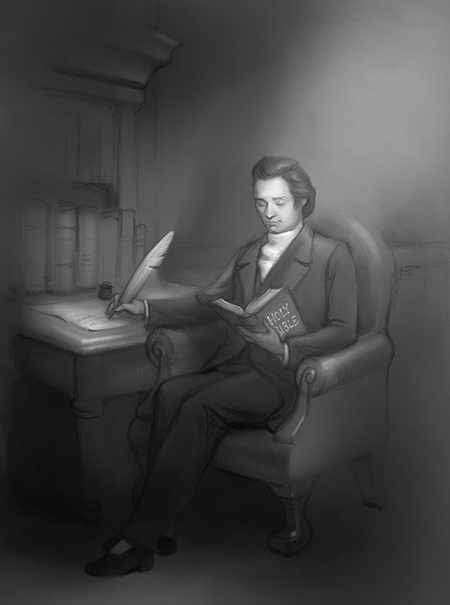
Divine Study
|
Window of Reflection
 
Window of Reflection
|
Enlightening Grace
 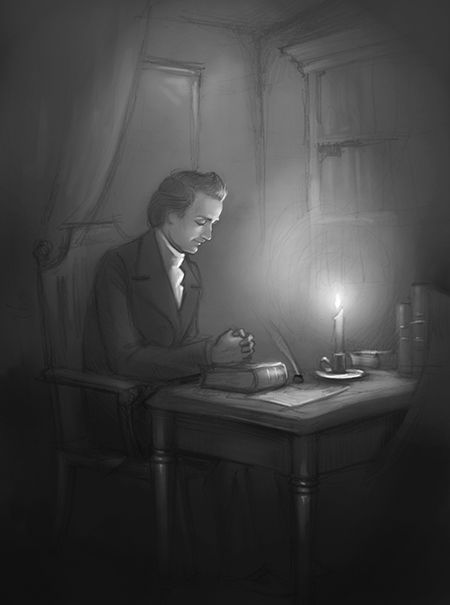
Enlightening Grace
|
164
|
953 |
126
|
1036 |
199
|
1076 |

|

|
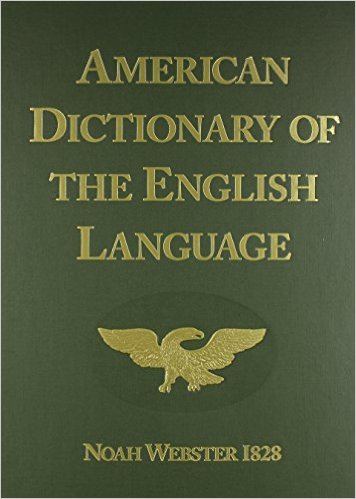
| Hard-cover Edition |
383 |
 |
564 |
|
| Compact Edition |
369 |
 |
257 |
|
| CD-ROM |
325 |
 |
202 |
|
* As a note, I have purchased each of these products. In fact, as we have been developing the Project:: 1828 Reprint, I have purchased several of the bulky hard-cover dictionaries. My opinion is that the 2000-page hard-cover edition is the only good viable solution at this time. The compact edition was a bit disappointing and the CD-ROM as well. |
| [ + ] |
| Add Search To Your Site |
|
|
|